General educational information only. Your post-operative plan has been individualised by your surgical team. Specific advice about your care should come from your treating surgeon. For emergencies call 000.
Some pain after an operation is normal, but modern management is far more effective and safer than it used to be. Most patients recovering from laparoscopic upper GI surgery describe their pain as manageable with regular paracetamol, an anti-inflammatory if suitable, short-course opioids for breakthrough pain, and simple non-medication strategies.
- Take regular pain relief on schedule rather than waiting for pain to break through
- Modern care follows the multimodal approach used in Enhanced Recovery After Surgery programmes
- Opioids are strictly prescribed for short courses only at the lowest effective dose.
- Gentle walking, breathing exercises, and ice packs genuinely reduce pain and protect your overall recovery.
Some symptoms warrant calling 000 or going straight to emergency, listed in detail below.
What to expect after upper GI surgery
Knowing the rough shape of recovery helps you judge whether progress is on track. Individual recovery varies, and your surgical team will give you specific advice.
Day 1 to day 3, the acute phase
Expect soreness at the port sites, pain when coughing, and mild nausea. You may also feel referred right shoulder tip pain from residual surgical gas, which usually settles within 72 hours and improves with walking. Splint your abdomen with a pillow when coughing. Regular paracetamol and an anti-inflammatory if suitable form the foundation, with short-course prescribed opioids for breakthrough pain.
Day 3 to day 7, the settling phase
Pain typically improves each day. Most patients can stop or substantially reduce opioid medication, walk comfortably, sleep more easily, and gradually resume light daily activities. Some port site tenderness when changing position is normal.
Week 2 and beyond
Any wound pain should be mild and intermittent, requiring only paracetamol or no medication at all. To protect a fundoplication or hernia repair, you must avoid heavy lifting and strenuous abdominal exercise for up to three months.
Key point. If your pain worsens after the first few days or new severe pain appears, contact your surgical team immediately.
The multimodal approach, why combining medications works better
Modern post-operative pain management in Australia follows the principles of Enhanced Recovery After Surgery, now a standard of care in upper GI surgery. Pain travels along several pathways in the body, so relief works best when tackled from several angles. Your team will typically combine the following.
- Paracetamol, taken regularly on a schedule
- An anti-inflammatory or NSAID where safe and appropriate
- Local anaesthetic injected around the wounds during surgery
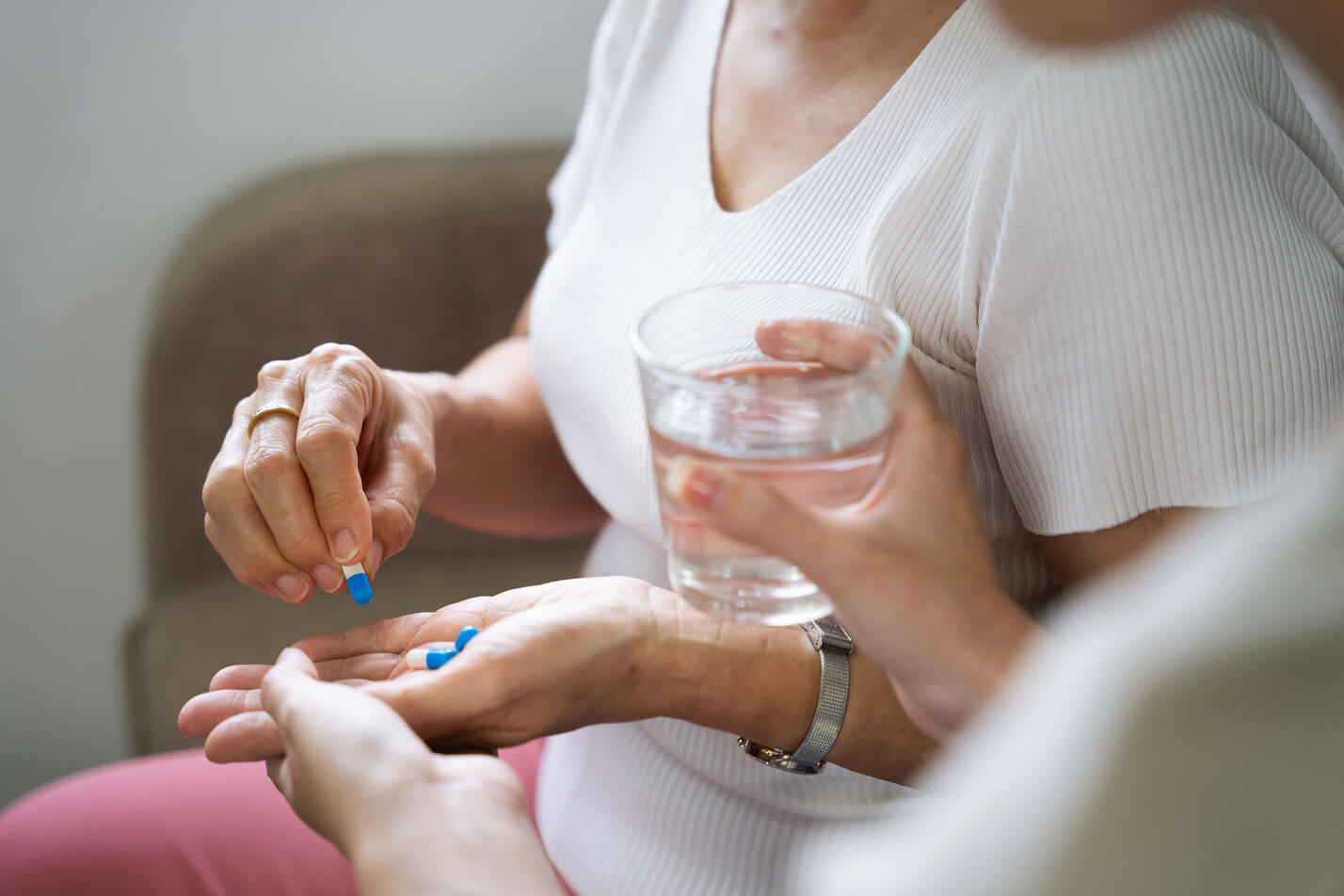
- Short-course opioids reserved for breakthrough or severe pain
- Non-medication strategies such as ice, position changes, breathing exercises, and gentle walking
Research consistently shows scheduled paracetamol and NSAIDs reduce opioid requirements, which reduces side effects such as nausea, constipation, drowsiness, and the risk of longer-term opioid use. Taking your regular non-opioid pain relief on schedule rather than only when it hurts is one of the most effective things you can do.
Sources: NSW ACI, ERAS Key Principles, Australian Prescriber, Postoperative Analgesia, Frontiers in Pain Research, Multimodal Analgesia in ERAS, 2025.
Using paracetamol and anti-inflammatories safely
Paracetamol
Paracetamol is the cornerstone of post-operative pain relief. It is well tolerated, inexpensive, and works well in combination with other medications.
- Maximum daily dose for most adults is 4 grams in any 24-hour period, usually 1 gram every 6 hours
- Take it regularly for the first few days after surgery, not only when pain appears
- Never exceed 4 grams in 24 hours, paracetamol overdose can cause serious liver damage
- Check combination products, cold and flu preparations, migraine tablets, and some opioid combinations contain paracetamol, so accidental double-dosing is a real risk
- A lower maximum dose, often 3 grams a day, applies if you are underweight, elderly, or have liver problems, follow your surgeon’s or pharmacist’s advice
Anti-inflammatories
Non-steroidal anti-inflammatory medications like ibuprofen, diclofenac, celecoxib, and naproxen are highly effective for 3 to 5 days when taken with food. However, they may not suit patients with a history of stomach ulcers, kidney problems, heart failure, or bleeding risks. Always follow your surgeon’s current advice regarding these medications. Your surgical team will confirm whether an NSAID is appropriate. Follow their advice rather than assuming what worked after a previous operation will be right this time.
Safe use of prescribed opioids
Opioids such as short-acting oxycodone or tapentadol can be helpful for severe breakthrough pain in the first few days. They also carry real risks, since side effects are common and continued use beyond the acute phase can lead to dependence. ANZCA, the TGA, and the Australian Commission on Safety and Quality in Health Care all recommend the lowest effective dose for the shortest possible time.
Principles for safe use
- Take opioids only as prescribed by your surgeon and only when regular paracetamol and NSAID are not enough
- Use the immediate-release tablets your surgeon has given you, slow-release opioids are not recommended for routine acute post-operative pain
- Start reducing your dose as soon as pain improves, usually within 1 to 2 days of major surgery
- Do not drive, operate machinery, or sign legal documents while taking opioids
- Do not drink alcohol or take sedating medications with opioids
Side effects
Common side effects include nausea and drowsiness, as well as constipation, which improves with water, fibre, and movement. Serious symptoms requiring urgent emergency review include very slow breathing, extreme drowsiness, or severe confusion. Call 000 or go to the nearest emergency department.
Disposing of leftover tablets
Most patients are off opioids within 3 to 7 days of laparoscopic upper GI surgery. If you have tablets left over, return them to any pharmacy through the Return Unwanted Medicines program rather than leaving them in the cupboard.
Sources: TGA, Prescription Opioids Hub, ACSQHC, Opioid Analgesic Stewardship Standard, ANZCA, Choosing Wisely.
Non-medication strategies that reduce pain
Some of the most effective pain management does not come in a tablet.
Gentle walking. Short walks starting on the day of or the day after surgery reduce wound stiffness, blood clot risk, chest complications, and constipation. Move little and often, building distance gradually.
Breathing exercises. Pain after upper abdominal surgery can lead to shallow breathing, which reduces oxygenation and increases chest infection risk. Take 5 to 10 slow deep breaths every hour while awake, followed by a gentle cough holding a pillow against your abdomen.
Ice packs. A cold pack wrapped in a thin tea towel applied to a sore port site for 15 to 20 minutes at a time reduces localised pain and swelling. Use only over intact, closed wounds.
Position, rest, and distraction. Sleeping semi-upright on pillows is usually most comfortable for the first week. Use audiobooks or meditation to reduce anxiety, which actively helps lower pain perception.
Source: PMC, Non-Pharmacological Interventions for Post-Operative Pain.
When to call your surgeon
Contact the rooms during business hours, or your given after-hours number, if you notice any of the following. Your surgical team would much rather review a false alarm than miss a developing problem.
- Temperature of 38 degrees Celsius or higher, fevers, or chills
- Wound redness, warmth, swelling, or pus-like or foul-smelling discharge
- Pain that is worsening rather than improving, or pain not controlled by your prescribed medication
- Persistent nausea and vomiting preventing you from drinking or taking medications
- Abdominal swelling or distension that is new or worsening
- New greenish or yellow fluid from a drain or wound
- Calf pain, swelling, or redness in one leg, possible deep vein thrombosis
- Bleeding from the wound that soaks through a dressing
- Severe or worsening difficulty swallowing after fundoplication, some mild swallowing difficulty is expected
When you call, have your medication list, temperature, and a brief description of what has changed ready so we can advise you quickly.
When to call 000 or go straight to emergency
Some symptoms require immediate emergency care. Call 000 or go to your nearest emergency department for any of the following.
- Severe chest pain or sudden shortness of breath, possible blood clot in the lung or cardiac event
- Vomiting fresh blood, passing black tarry stools, or fresh rectal bleeding
- Sudden, severe abdominal pain or a rigid, board-like abdomen
- Heavy bleeding that soaks through dressings in under an hour
- Confusion, slurred speech, or inability to stay awake, particularly while on opioids
- Very slow or shallow breathing, or gasping
- Any symptom that feels life-threatening
Do not drive yourself. Call an ambulance if the symptom is severe.
Returning to normal activities
Recovery is a gradual return to normal life that protects your surgical repair. The following is a general guide for laparoscopic upper GI surgery.
| Activity | Typical timeframe |
| Gentle walking | Same day as surgery |
| Light desk work or study | 1 to 2 weeks |
| Driving | After stopping opioids and able to perform an emergency brake without pain |
| Light exercise such as easy cycling or swimming | 2 to 4 weeks once wounds healed |
After fundoplication and hernia repair, longer lifting and straining restrictions apply for up to three months. After bariatric surgery, follow your dietitian’s specific protocol. Heavy lifting over 5 kg usually waits 4 to 12 weeks, and strenuous contact sports require 6 to 12 weeks. Fatigue in the first few weeks is completely normal.
Frequently asked questions
How long will I need strong pain medication?
Most patients need prescribed opioid tablets for only 3 to 7 days. Regular paracetamol, and an anti-inflammatory if suitable, usually continue for 1 to 2 weeks. Your surgeon will advise on tapering.
Why do I have pain in my shoulder after abdominal surgery?
Referred shoulder tip pain, especially on the right side, is very common after laparoscopic surgery. It is caused by residual carbon dioxide gas used to inflate the abdomen, which irritates the diaphragm. It typically settles within 48 to 72 hours, and gentle walking and deep breathing help disperse the gas more quickly.
Can I take paracetamol and ibuprofen at the same time?
Yes, if your surgical team has confirmed both are suitable for you. They work through different mechanisms and combine safely. Follow the dosing schedule your surgeon or pharmacist has given you and never exceed 4 grams of paracetamol in 24 hours.
Is it normal to feel down or anxious after surgery?
Yes. Mood dips, disrupted sleep, and anxiety are common in the first week or two after any significant operation. It usually improves as you recover. If low mood persists, talk to your GP or surgical team.
What should I do with leftover opioid tablets?
Return them to any Australian pharmacy through the Return Unwanted Medicines program. Do not keep them for future pain or share them with family members.
When should I worry about my wound?
Some mild redness right at the wound edge in the first few days is normal. Worrying signs include spreading redness, warmth, swelling, pus-like discharge, a bad smell, or a fever of 38 degrees Celsius or higher. If you notice any of these, contact the rooms.
Sources
- Melbourne Hernia Centre, What to Expect After Hernia Repair
- NSW ACI, ERAS Key Principles
- Australian Prescriber, Postoperative Analgesia
- Frontiers in Pain Research, Multimodal Analgesia in ERAS, 2025
- TGA, Prescription Opioids Hub
- ACSQHC, Opioid Analgesic Stewardship Standard
- ANZCA, Choosing Wisely
- PMC, Non-Pharmacological Interventions for Post-Operative Pain
Speak with Precision Upper GI Surgery
Recovery is a partnership between you and your surgical team. If you have any concerns about your pain, medications, or recovery, please contact us. We would much rather answer a question early than learn about a problem late.
Existing patients of Precision Upper GI Surgery can contact our rooms during business hours and use the after-hours number provided to you for urgent concerns. For a life-threatening emergency, call 000. For new patients, speak with your GP about a referral or contact Precision Upper GI Surgery.
- Bankstown: Bankstown Hospital Medical Centre, Suite 101, 68 Eldridge Road, Bankstown NSW 2200, 02 9793 2170
- Strathfield: Strathfield Private Hospital, 3 Everton Road, Strathfield NSW 2135, 02 9793 2170
- Oran Park: TRN House, Suite 2/03, 90 Podium Way, Oran Park NSW 2570, 1300 874 325
- Norwest: The Esplanade, Tower A, Suite 307/11-13 Solent Cct, Norwest, NSW 2153, 1300 874 325
General educational information only. Your post-operative plan has been individualised by your surgical team. Specific advice about your care should come from your treating surgeon. For emergencies call 000.